Modern construction projects demand engineers who possess both theoretical knowledge and practical software expertise. As building designs become increasingly complex, professionals must understand structural behavior, analysis techniques, and digital modeling tools to create safe and efficient structures. Participating in a civil engineering workshop helps students and professionals strengthen practical skills while gaining exposure to real-world engineering applications and industry-standard methodologies.
Software-driven structural design has transformed the engineering profession by improving accuracy, productivity, and project coordination. Learning advanced modeling techniques enables engineers to visualize structural performance, optimize designs, and comply with modern building standards. Combining practical training with technical knowledge prepares future engineers to confidently manage diverse construction projects.
Practical Engineering Skills Supporting Modern Construction
Practical knowledge bridges the gap between classroom concepts and real-world engineering challenges. Hands-on learning enables aspiring engineers to understand design processes, structural behavior, and professional workflows more effectively.
- Industry-Oriented Learning Experience
Participating in a civil engineering workshop allows learners to experience engineering concepts through practical exercises, project-based assignments, and software applications. Instead of relying only on theoretical lessons, participants develop confidence by solving realistic structural problems. Exposure to practical engineering scenarios improves technical understanding and prepares students for professional responsibilities in the construction industry.
- Developing Structural Problem-Solving Skills
Every engineering project presents unique design challenges that require analytical thinking and systematic problem-solving. Practical training teaches learners to evaluate structural loads, identify design limitations, and recommend suitable engineering solutions. This approach strengthens decision-making abilities while helping engineers understand how theoretical principles are applied during actual building projects.
- Improving Software Proficiency
Modern engineering depends heavily on specialized software for modeling, drafting, and structural analysis. Learning professional applications improves design accuracy and reduces manual calculation errors. Practical software training also enables engineers to work more efficiently while producing documentation that aligns with industry standards and project requirements.
- Building Professional Confidence
Hands-on learning encourages participants to apply engineering principles independently. Completing practical assignments, developing structural models, and interpreting analytical results gradually increase professional confidence. Engineers who regularly practice technical skills become better prepared to manage complex responsibilities within consulting firms, construction companies, and infrastructure projects.
Advanced Structural Modeling Using ETABS Software
Digital structural modeling has become essential for designing safe, efficient, and economical buildings. Modern engineering software enables professionals to analyze complex structures while improving project accuracy and collaboration.
- Creating Accurate Structural Models
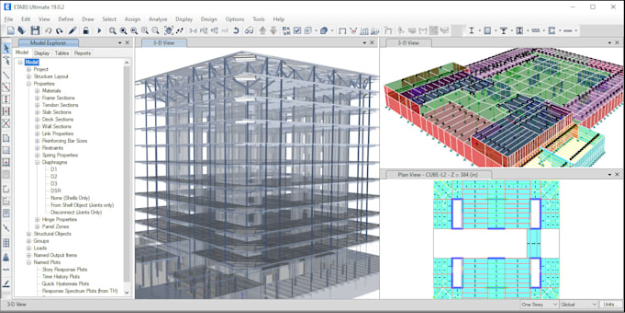
Effective building design in ETABS begins with developing accurate digital models that represent beams, columns, slabs, foundations, and structural connections. Engineers can visualize complete building systems while identifying design inconsistencies early in the project. Accurate modeling reduces errors during construction and supports better engineering decisions throughout the design process.
- Load Analysis and Structural Performance
Structural analysis software evaluates how buildings respond to dead loads, live loads, wind forces, and seismic activity. Engineers analyze structural behavior under different loading conditions before construction begins. This comprehensive evaluation improves safety while ensuring buildings perform efficiently throughout their expected service life.
- Faster Design Modifications
Construction projects frequently require revisions because of architectural changes or client requirements. ETABS allows engineers to modify structural models quickly while automatically updating analysis results. This flexibility reduces design time, improves coordination between project teams, and minimizes costly redesign efforts.
- Improved Design Accuracy
Manual structural calculations are time-consuming and susceptible to human error. ETABS automates numerous engineering calculations, improving precision while maintaining consistency across design stages. Accurate analytical results help engineers optimize structural members, reduce material waste, and improve overall project efficiency.
Digital Engineering Skills for Future Construction Success
Modern engineering careers require professionals to combine technical knowledge with practical software expertise. Continuous learning and hands-on experience help engineers stay competitive while meeting the evolving demands of the construction industry.
- Enhancing Technical Knowledge
Engineers who regularly upgrade their technical skills are better prepared to handle complex construction projects. Learning structural analysis, drafting, and modern design software improves problem-solving abilities while strengthening confidence in executing professional engineering tasks. Continuous education also helps professionals remain updated with changing design standards and industry practices.
- Strengthening Analytical Thinking
Structural engineering requires careful evaluation of loads, material behavior, and safety requirements. Practical learning develops analytical thinking by exposing learners to real-world design challenges. Engineers become more capable of identifying potential structural issues and implementing reliable solutions that improve project performance and long-term durability.
- Improving Project Coordination
Successful construction projects depend on effective communication between architects, engineers, contractors, and consultants. Digital engineering tools improve collaboration by allowing teams to share accurate models, review design updates, and coordinate structural changes efficiently. Better coordination minimizes errors, reduces delays, and supports smoother project execution.
- Increasing Professional Productivity
Engineering software automates calculations, documentation, and analysis processes that previously required significant manual effort. This allows engineers to complete projects more efficiently while maintaining high levels of accuracy. Increased productivity enables professionals to manage multiple assignments without compromising design quality or safety.
Professional Learning Supporting Engineering Excellence
Practical education strengthens engineering knowledge by combining classroom concepts with industry-focused applications. Engineers who regularly enhance their technical abilities develop greater confidence in structural design, project planning, and software utilization. Exposure to real-world case studies, professional tools, and design methodologies improves analytical thinking while preparing learners to meet modern construction demands. Continuous learning also enables engineers to adapt to changing technologies, comply with updated design standards, and contribute more effectively to safe, efficient, and sustainable infrastructure projects.
Conclusion
Modern structural engineering requires a combination of technical expertise, software proficiency, and practical experience. Learning advanced structural modeling and analysis techniques helps engineers design safer, more efficient buildings while improving project accuracy and productivity. Professionals looking to strengthen their expertise can benefit from civil engineering design courses that combine theoretical concepts with practical software applications, preparing them for successful careers in the rapidly evolving construction industry.
Civilera provides industry-focused learning solutions designed to help students and professionals strengthen their structural engineering expertise. They offer practical training in ETABS modeling, structural analysis, and modern engineering software through comprehensive learning programs that emphasize real-world applications. By combining expert guidance with hands-on project experience, they help learners develop the technical confidence and professional skills needed to succeed in today’s competitive civil engineering industry.