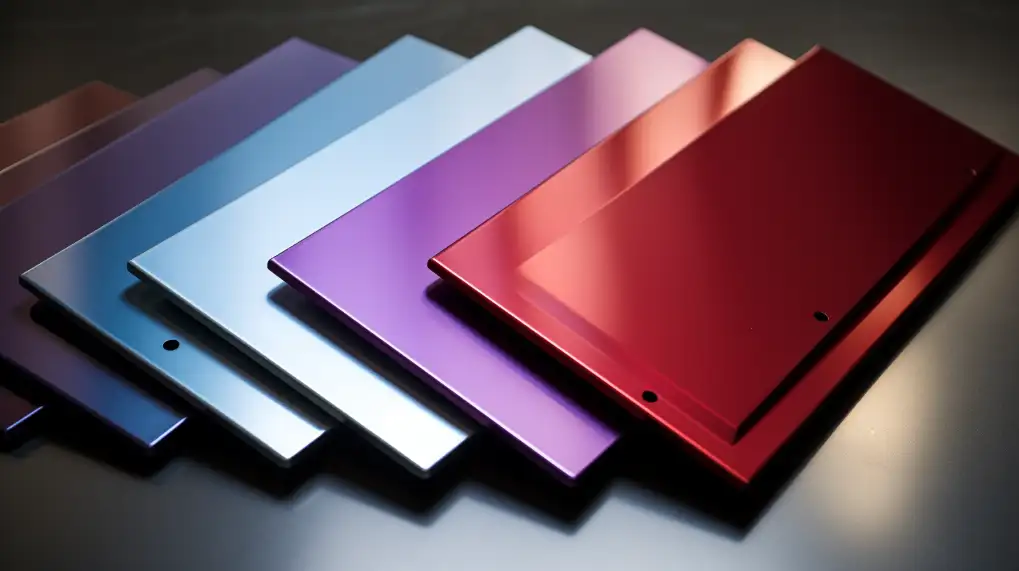
Aluminum has become one of the most versatile materials used across architecture, construction, transportation, interior design, and industrial manufacturing. Its combination of strength, lightweight properties, and corrosion resistance makes it suitable for a wide variety of applications. Among the many finishing options available, bright anodized aluminum is widely appreciated for its enhanced appearance, improved durability, and long-lasting surface protection, making it a preferred choice for both decorative and functional projects.
Modern anodizing technology enhances aluminum by creating a protective oxide layer that improves wear resistance while maintaining the material’s natural appearance. This process increases durability, minimizes maintenance requirements, and allows designers, architects, and manufacturers to achieve attractive finishes without compromising structural performance.
Surface Engineering Enhancing Aluminum Performance Daily
Advanced anodizing processes improve durability, appearance, and long-term performance while helping aluminum products meet demanding architectural and industrial requirements.
- Anodizing Improves Surface Durability
The anodizing process creates a durable oxide layer that becomes an integral part of the aluminum surface rather than simply coating it. This protective finish increases resistance to scratches, corrosion, weather exposure, and daily wear. As a result, anodized aluminum performs reliably in both indoor and outdoor environments where long-term durability is essential. Enhanced protection also reduces maintenance requirements, allowing products to retain their appearance and functionality for extended periods.
- Decorative Finishes Support Modern Architecture
Architectural projects increasingly demand materials that combine visual appeal with dependable performance. Designers frequently select bright anodized aluminum because its reflective finish enhances modern façades, window systems, decorative panels, ceilings, handrails, and interior design elements. The consistent appearance and clean metallic finish complement contemporary architectural styles while maintaining excellent resistance to fading, corrosion, and environmental exposure, making anodized aluminum suitable for both commercial and residential developments.
- Corrosion Resistance Extends Product Lifespan
One of aluminum’s greatest advantages is its natural corrosion resistance, which is significantly enhanced through anodizing. The strengthened oxide layer protects surfaces against moisture, humidity, chemicals, and environmental contaminants that may otherwise affect untreated materials. This improved resistance extends product lifespan, minimizes repair requirements, and supports reliable performance across challenging industrial and outdoor applications.
- Low Maintenance Improves Long-Term Value
Anodized aluminum requires minimal maintenance to preserve both its appearance and structural integrity. Routine cleaning is generally sufficient to remove dirt and environmental deposits while maintaining the finish. Unlike painted surfaces that may chip or peel over time, anodized finishes remain bonded to the aluminum surface, reducing maintenance costs and improving long-term value for property owners and industrial users.
Innovative Aluminum Solutions Supporting Modern Applications
Advanced aluminum finishing technologies continue to expand design possibilities by combining durability, functionality, and visual appeal across architectural and industrial environments.
- Precision Manufacturing Supports Consistent Quality
High-quality anodized aluminum products depend on precise manufacturing processes that maintain consistent dimensions, surface finishes, and structural integrity. Advanced production techniques help ensure reliable performance across large-scale commercial, industrial, and architectural projects. Consistency in manufacturing also simplifies installation, improves compatibility with various building systems, and contributes to long-lasting product performance.
- Lightweight Strength Improves Structural Efficiency
Aluminum offers an excellent strength-to-weight ratio, making it suitable for projects where reducing structural weight is important without sacrificing durability. Its lightweight nature simplifies transportation, handling, and installation while supporting efficient construction practices. This balance of strength and reduced weight benefits applications ranging from building façades to industrial frameworks and transportation systems.
- Sustainable Materials Support Green Construction
Aluminum is highly recyclable without losing its original properties, making it an environmentally responsible material for modern construction and manufacturing. Recycling aluminum requires significantly less energy than producing new material, helping reduce resource consumption and environmental impact. Combining recyclability with long service life supports sustainable building practices and responsible material selection.
- Customization Meets Diverse Project Requirements
Different projects require aluminum products with varying dimensions, finishes, and performance characteristics. Modern manufacturing allows customized profiles, finishes, and fabrication options that meet specific architectural, commercial, and industrial requirements. This flexibility enables designers and engineers to achieve functional performance while maintaining design consistency across a wide range of applications.
Advantages of Modern Anodized Aluminum Solutions
Selecting anodized aluminum offers practical benefits that improve performance, appearance, and long-term reliability across multiple industries.
- Superior Surface Protection: Resists corrosion, scratches, weather exposure, and everyday wear.
- Enhanced Aesthetic Appeal: Delivers a clean, uniform finish suitable for modern architectural designs.
- Low Maintenance Requirements: Requires minimal upkeep while maintaining long-lasting appearance.
- Lightweight Yet Durable: Combines structural strength with easier transportation and installation.
- Versatile Industrial Applications: Suitable for construction, transportation, interiors, signage, and manufacturing projects.
Modern anodized aluminum solutions combine durability, attractive finishes, and reliable performance to meet the evolving needs of architectural and industrial applications.
Final Thoughts
Anodised aluminium continues to play an important role in modern construction and manufacturing by offering durability, corrosion resistance, attractive finishes, and long-term performance. Architects, designers, and manufacturers benefit from materials that combine structural reliability with aesthetic flexibility across diverse applications. Businesses seeking dependable aluminium products often choose anodized aluminium sections that provide consistent quality, excellent durability, and versatile design possibilities for commercial, industrial, and architectural projects
Choosing a trusted manufacturing partner helps ensure consistent quality, precision engineering, and dependable performance across every project. JM Aluminium offers high-quality anodised aluminium solutions designed to meet the requirements of architectural, commercial, and industrial applications. Through advanced manufacturing processes, premium finishing technologies, and a commitment to quality, JM Aluminium supplies reliable aluminium products that support innovative designs, long-term durability, and efficient project execution across a wide range of industries.