Precision is one of the most important requirements in gear manufacturing. Even a small variation in tooth shape or spacing can affect how smoothly gears operate. For this reason, manufacturers need reliable cutting equipment that can produce accurate profiles while maintaining consistency throughout production.
Selecting the right tooling depends on the type of gear being produced, the material being machined, the required accuracy, and the production volume. Understanding the role of different cutting solutions can help manufacturers make practical decisions for their machining operations.
The Importance of Accurate Gear Manufacturing
Gears are used in many industrial systems where dependable movement and power transmission are essential. Their performance depends greatly on the accuracy of their teeth and overall geometry.
A suitable cutting process can help manufacturers achieve:
- Consistent tooth profiles
- Accurate dimensions
- Smooth gear engagement
- Reliable production quality
- Better repeatability
- Efficient machining operations
The choice of tooling therefore has a direct influence on the final quality of the gear.
Understanding Gear Cutting Tools
are specially designed for producing gear teeth with the required shape and dimensions. Different tooling solutions are available depending on the gear design and machining method.
Manufacturers should consider factors such as workpiece material, tooth profile, module, pressure angle, machine compatibility, and expected production requirements when selecting cutting equipment.
Good tooling selection can also help reduce unnecessary machining interruptions and maintain consistent results across production batches.
Why Gear Hobs Are Widely Used
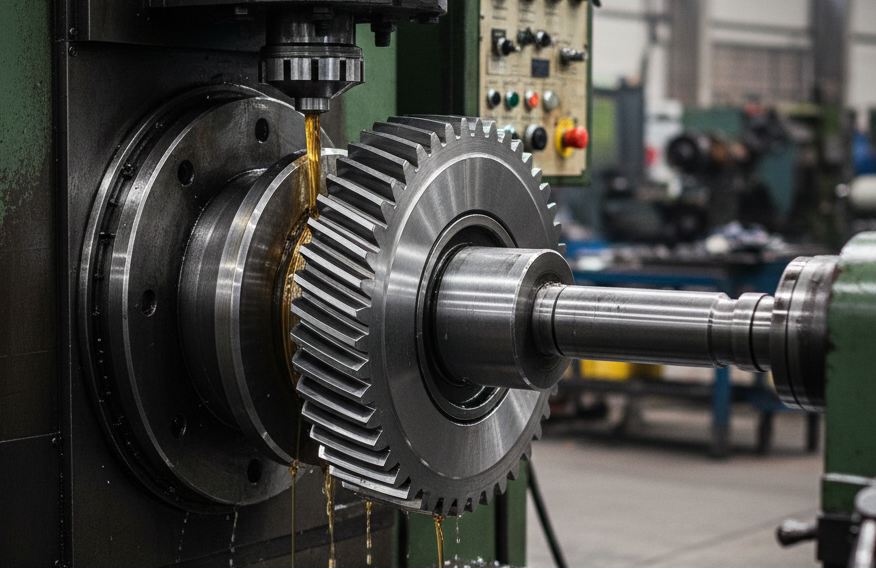
are commonly used in gear production because the hobbing process can efficiently generate gear teeth with a high degree of consistency. A hob works together with the gear blank through coordinated rotational movement, gradually forming the required tooth profile.
This method is particularly useful for producing cylindrical gears in larger quantities. The suitability of a hob depends on factors such as gear specifications, material, machine setup, and desired production accuracy.
Choosing the correct hob for a specific application can contribute to smoother machining and more consistent results.
Factors to Consider Before Selecting Tooling
Manufacturers should evaluate several points before purchasing or specifying cutting tools.
Workpiece Material
Different materials place different demands on cutting performance and tool durability. The tooling should be appropriate for the material being machined.
Gear Specifications
Module, tooth count, pressure angle, and gear dimensions influence the selection of suitable tooling.
Production Volume
High volume manufacturing may require tooling that supports efficient and repeatable production over extended operating periods.
Machine Compatibility
The selected tool should match the machine’s capabilities, setup, and operating requirements.
Required Finish and Accuracy
Applications with demanding performance requirements may require tooling designed to achieve precise tooth geometry and surface quality.
Maintaining Consistent Production Quality
Tool condition can influence the quality of machined gears. Regular inspection helps manufacturers identify wear before it begins to affect tooth accuracy or surface finish.
Proper machine setup is equally important. Correct alignment, cutting conditions, workholding, and tool positioning all contribute to consistent results.
Manufacturers can benefit from establishing maintenance and inspection practices that suit their production environment.
Choosing the Right Industrial Tooling Partner
A reliable tooling supplier can help manufacturers identify solutions that match their machining requirements. Technical knowledge, product quality, application support, and consistency are important factors when comparing suppliers.
SS Tools provides cutting solutions for industrial applications where accuracy and dependable performance are important. Manufacturers can evaluate their requirements and select tooling based on the specific gear production process.
Conclusion
Successful gear manufacturing depends on accurate machining, appropriate equipment, and consistent production practices. Selecting suitable gear cutting tools can help manufacturers maintain reliable tooth profiles and production quality, while properly chosen gear hobs can support efficient and repeatable gear production.
By considering the material, gear specifications, machine compatibility, production volume, and required accuracy, manufacturers can select tooling that supports efficient operations and dependable results.