Ask ten bracelet sellers what their biggest packaging headache is, and you’ll hear ten versions of the same thing: I don’t know which material to pick. The options all look similar in a catalogue photo, but they feel very different in a customer’s hands.
So instead of a long walkthrough, here’s a question-and-answer format built around what sellers ask most often.
Why does the material matter so much for something as small as a bracelet?
Because a bracelet is a touch-and-feel product. People pick it up, turn it over, and judge the quality in seconds. The box gets the same treatment. A thin, bendy box can make a $60 bracelet feel like a $20 one, while a sturdy box with a clean finish quietly raises the perceived value.
There’s a practical side too. Bracelets tangle, scratch, and tarnish. Chains catch on rough surfaces, and beads can chip against hard edges. The right material protects the piece as well as presents it.
What’s kraft paper good for?
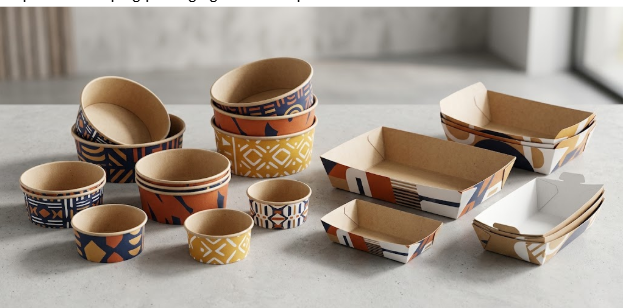
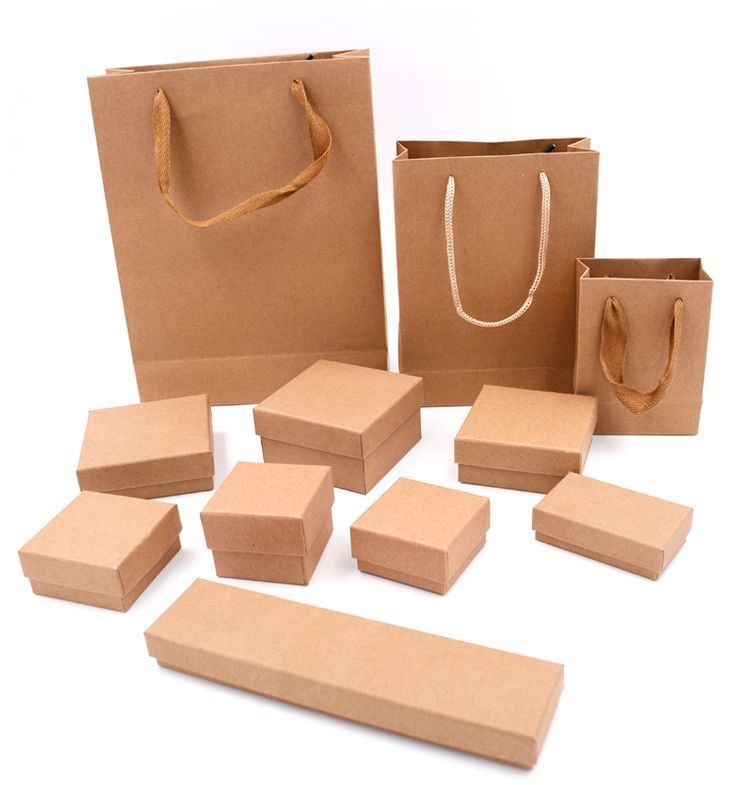
Kraft is the brown, slightly fibrous paperboard most people associate with natural and handmade brands. It’s made from unbleached wood pulp, which gives it that earthy color and rustic texture.
Where it shines:
- Handmade, boho, and eco-focused brands
- Craft fairs and pop-up markets
- Low-cost gift packaging
- Simple, bold stamping or one-color printing
Where it struggles:
- Fine detail and bright colors look muted on brown stock
- Thin kraft can crush or dent in the mail
- It can feel too casual for fine or high-priced jewelry
A tip: if you want kraft’s look with more structure, ask for a thicker board or a kraft-wrapped rigid box instead of a thin folding carton.
How is SBS paperboard different?
SBS stands for solid bleached sulfate. It’s a smooth, bright white board, and it’s the one printers love because ink sits crisply on top of it.
If your logo has a gradient, a pastel shade, or a detailed pattern, this is the board that shows it properly. It also takes coatings well, including matte lamination, gloss, and spot UV.
The trade-off is that it’s a folding carton material. It’s lightweight and affordable, but it isn’t built to survive being sat on or tossed around. For bracelets that ship inside a padded mailer, that’s usually fine. For anything that travels loose, think twice.
What about corrugated?
Corrugated board has a wavy layer sandwiched between two flat sheets. That wavy layer is what absorbs impact.
For bracelets, you’ll mostly see fine flutes (E or F), which are thin enough to look tidy but still add crush resistance. These work especially well as shipping mailers, since the box can go straight into the postal system without an outer carton.
The catch is surface texture. Corrugated is a little rougher than paperboard, so tiny text and delicate artwork can look soft. Keep the design bold and the layout simple.
When should I move up to rigid boxes?
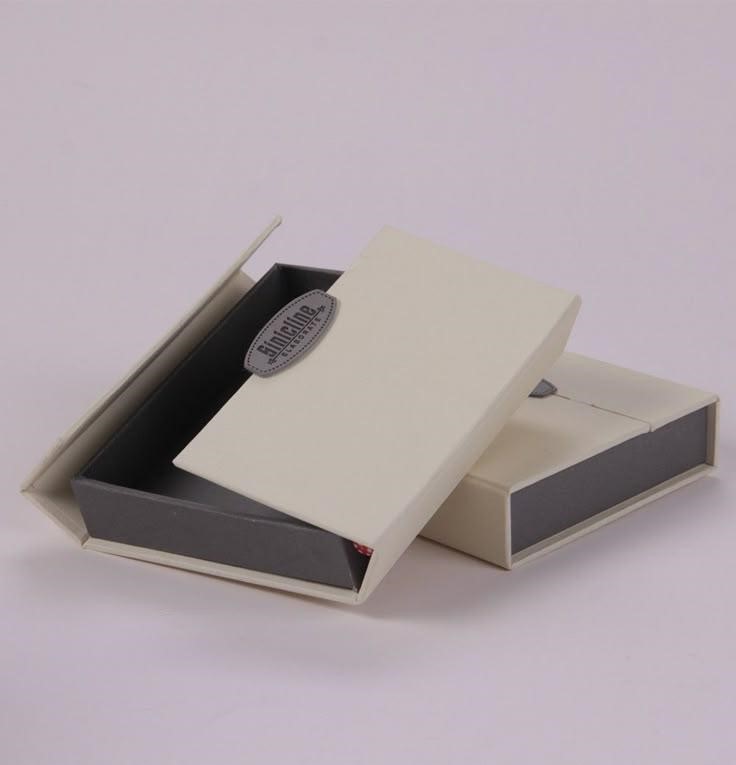
Rigid boxes are made from thick chipboard, wrapped in printed or textured paper. They don’t flex. They don’t dent easily. And when you lift the lid, you feel the difference immediately.
They make sense when:
- Your bracelets sell for $50 or more
- You sell gift sets, bridal pieces, or anniversary jewelry
- You want the box to be kept and reused
- Your brand identity leans luxury
They cost more per unit, and they take up more room in storage unless you order a collapsible style. But a rigid box does something cheaper materials can’t: it makes the product feel like a present before anyone sees what’s inside. Brands that want help with structure and wrapping options often work with specialists like premier rigid boxes to get the proportions and finishing right.
What do I put inside the box?
Material choice doesn’t end with the box. The insert decides how the bracelet is held, and it’s where many sellers cut corners.
- Paper or cardstock pillows: a small cushion the bracelet wraps around. Clean, simple, and recyclable.
- Foam inserts with slots: good for holding a bracelet flat and secure. Soft against metal and stones.
- Velvet or velveteen wraps: a classic jewelry-store look. Great for gift-level presentation.
- Linen or cotton pouches: an extra layer that doubles as a keepsake.
- Molded pulp holders: plant-fiber based and easy to recycle for eco-minded brands.
Match the insert to the bracelet style. A chunky beaded piece needs a deeper cavity, while a delicate chain wants a flat, soft surface that won’t snag.
Can I order small quantities?
This is where many new sellers get stuck. Custom packaging often comes with high minimum order quantities, and a few hundred boxes is a lot to commit to when you’re still testing designs. That’s why some suppliers offer bracelet packaging boxes no minimum, which lets you order a handful, check the fit, and adjust before you scale up.
Even then, ask a few questions first. Is the no-minimum option a stock size with your logo added, or a fully custom build? What does the price per box look like at 25 units compared with 250? Are samples available? The answers tell you whether it’s a real small-batch program or just a flexible-sounding headline.
How do I pick between all of these?
Use this quick guide:
| If you sell… | Consider… |
| Handmade pieces under $30 | Kraft folding box or kraft mailer |
| Fashion bracelets with colorful branding | SBS paperboard with a coating |
| Online orders shipped in bulk | Fine corrugated mailer |
| Gift-level or luxury bracelets | Rigid box with a custom insert |
| A mix of styles | Start with one, test, then expand |
What about the environment?
More customers are asking about this, so it’s worth getting right. Look for FSC-certified board, which means the fiber comes from responsibly managed forests. Recycled content, soy-based inks, and water-based coatings are all easy to request. Be wary of heavy plastic lamination, which can make a box harder to recycle. If you plan to mention sustainability on your packaging or website, make sure the claim matches what you actually ordered.
Final Words
Get samples in your hand before you commit. Put a real bracelet inside, close the lid, shake it gently, and open and close it a few times. Photos and digital mockups can’t tell you how a magnet feels or whether the board bows under pressure.
Also, ask your supplier about lead times. Custom packaging rarely turns around overnight, and the weeks before Valentine’s Day, Mother’s Day, and the winter holidays are the busiest.