A wallet is one of the most personal things a person carries. It goes into a pocket or bag every day and holds cards, cash, and small keepsakes. Because it is so personal, it is also one of the most popular gift items. Yet many wallet brands spend months on leather, stitching, and design, then ship the finished product in a plain bag or a generic carton. The product may be excellent, but the first impression is not.
Wallet packaging is that first impression. This guide covers why it matters, what separates good packaging from forgettable packaging, and how to choose the right gift box for wallet, whether you are a brand owner or a shopper.
Why Wallet Packaging Matters More Than You Think
Customers form an opinion about a product before they touch it. When a parcel arrives, the box tells them what to expect. A sturdy, well-fitted box suggests care and quality, while a flimsy one suggests the opposite, even if the wallet inside is well made.
Packaging also does practical work:
- Protection: Leather can scratch, crease, or pick up marks during shipping. A properly sized box keeps the wallet flat and the edges safe.
- Brand recognition: A logo, a consistent color, or a distinct texture helps customers remember you the next time they shop.
- Gifting: Wallets are frequently bought as gifts for birthdays, weddings, graduations, and holidays. If the wallet arrives ready to give, the buyer is far more likely to choose you again.
- Perceived value: Customers tend to judge a product’s worth partly by its presentation, and packaging can support a higher price point.
The Unboxing Moment
The unboxing experience is the sequence of small moments between receiving a package and holding the product. For a wallet, it might include lifting a lid, parting tissue paper, and seeing the wallet resting in a fitted tray.
The aim is not to be extravagant. It is to be deliberate. A recipient who feels the box was chosen with thought will associate that feeling with the brand. Many customers also photograph or film unboxing and share them, which means well-designed packaging can attract attention without any extra advertising spend.
What Makes a Good Gift Packaging for Wallet
Not every box suits every wallet. Before choosing, consider these factors.
1. Size and fit. A bifold wallet, a cardholder, a long travel wallet, and a trifold all have different dimensions. A box that is too large lets the product slide around, and one that is too tight can bend the leather. Measure the wallet in its folded state, add a small allowance for an insert, and order accordingly.
2. Box style. Common options include:
- Rigid boxes with a lift-off lid, which feel premium and hold their shape well.
- Magnetic closure boxes, which open smoothly and suit higher-end products.
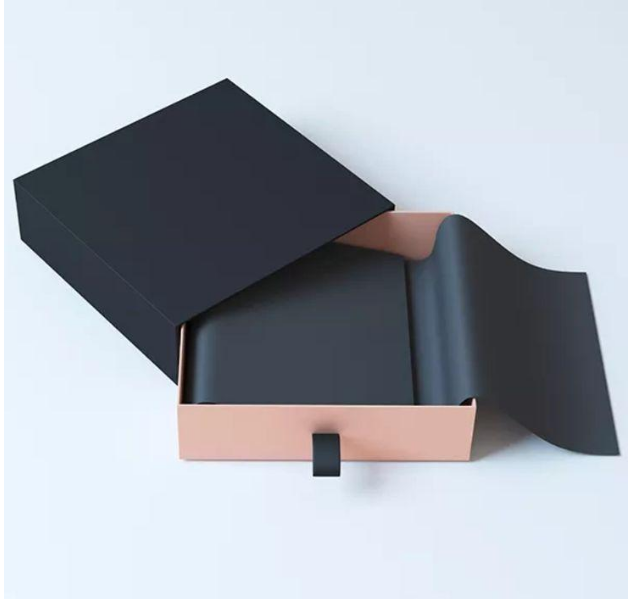
- Drawer-style (sleeve) boxes that slide open to create a pleasing reveal.
- Folding cartons, which are lighter and more economical for larger volumes.
- Window boxes, which let the buyer see the product before opening.
3. Material and finish. Rigid greyboard wrapped in textured paper looks and feels substantial. Kraft stock suits eco-minded brands. Finishes such as matte lamination, soft-touch coating, foil stamping, or embossing add detail, but too many effects at once can look cluttered. Choose one or two that match your brand.
4. Inserts. A foam, cardboard, or velvet-lined insert holds the wallet in place and adds polish. A simple fitted tray is often enough.
5. Branding and printing. Keep the design clean. A logo, a short tagline, and a consistent color palette usually work better than busy artwork. Make sure the printed colors are tested against a physical sample, since colors on a screen often look different on paper.
Sustainability Is Part of the Decision
More shoppers now look at how a product is packaged, not only what is in it. Recycled or FSC-certified paperboard, soy-based inks, and plastic-free finishes are all practical ways to reduce impact. Avoiding unnecessary layers also helps, since a good box does not need extra wrapping to feel premium. If you make environmental claims, back them with specifics, such as the material used, rather than vague phrases like “eco-friendly.”
Tips for Brands: Getting Packaging Right
Based on common practice in the packaging and retail space, these steps help avoid costly mistakes:
- Define your customer first. A minimalist box suits a modern, professional buyer. A more decorative one may suit the gifting market.
- Request a sample before bulk ordering. Check fit, color, closure strength, and the feel of the material.
- Consider shipping. Your retail box may need an outer shipping carton so it arrives unmarked.
- Balance cost and impact. Spend more on the parts the customer sees and touches, such as the lid, the interior, and the logo, and save on the parts they do not.
- Plan for volume. Custom packaging usually has minimum order quantities, so confirm these early to avoid delays.
Tips for Shoppers: Choosing a Gift Wallet Box
If you are buying a wallet as a gift, the box matters nearly as much as the wallet.
- Look for a box that closes securely and sits flat, since this shows good construction.
- Check whether the packaging can be reused. A sturdy box can later hold cards, watches, or keepsakes.
- If you are buying the wallet and the box separately, confirm the interior dimensions before purchase.
- Add a handwritten note. A personal message does more than any printed card.
Final Thoughts
Good wallet packaging is not about spending the most. It is about showing the customer, in a few seconds, that the product was made with care. The right size, the right material, a thoughtful insert, and clear branding turn a simple purchase into a memorable one.
Whether you run a leather goods label or you are choosing a gift box for a wallet for someone you care about, treat the box as part of the product. When it is done well, the unboxing is remembered long after the wallet has become part of daily life.