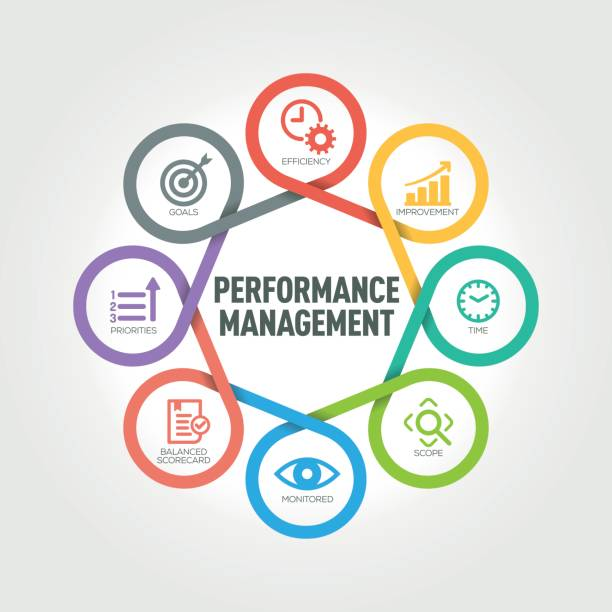
In today’s competitive business landscape, organizations need more than traditional evaluation methods to measure success and drive growth. A business performance management system provides a structured approach to connect employee efforts, operational efficiency, and strategic objectives while delivering valuable insights into productivity, progress, and improvement areas.
As workplaces continue to evolve with technological advancements, changing customer expectations, and market challenges, businesses must adopt continuous performance management practices. This approach supports better decision-making, enhances employee development, improves workflows, and ensures that individual and team contributions remain aligned with overall organizational goals for sustainable long-term success.
Understanding the Role of Business Performance Management
Business performance management focuses on measuring, analyzing, and improving organizational outcomes through goal setting, performance tracking, feedback, and data-driven evaluation. Unlike traditional employee assessments, it examines overall business operations, including teamwork, resource utilization, and strategy execution to achieve measurable growth.
A strong performance management framework helps leaders understand important areas such as:
- Whether employees are working toward clearly defined goals.
- How effectively business strategies are delivering results.
- Which areas require improvement or additional support.
- How resources can be managed more efficiently.
Why Traditional Performance Reviews Are No Longer Enough
For years, organizations depended on annual performance reviews to assess employee contributions. However, these traditional methods often failed to address immediate challenges or provide timely feedback. In today’s fast-changing business environment, priorities can shift due to market trends, technology, and customer expectations.
A modern business performance management system enables continuous communication between managers and employees, replacing occasional evaluations with ongoing development. Regular feedback helps teams understand goals, resolve issues, and improve performance throughout the year. This approach creates a more agile workplace where employees remain engaged, motivated, and aligned with organizational objectives for sustainable growth.
Improving Strategic Alignment Across the Organization
Yes, this section can be converted into key pointers for better readability. Here is the refined version:
Improving Strategic Alignment Across the Organization
A strong performance management approach helps organizations create better alignment between business strategies and employee responsibilities.
Key benefits include:
- Connecting Individual Goals with Business Objectives: Ensures employees understand how their roles contribute to broader organizational success.
- Creating a Unified Direction: Helps different departments work toward shared goals instead of focusing on disconnected priorities.
- Improving Cross-Department Collaboration: Encourages teams to coordinate efforts and support common business outcomes.
- Reducing Confusion and Improving Focus: Provides clear expectations, allowing employees to prioritize tasks effectively.
- Supporting Balanced Performance Goals: Aligns different departmental targets, such as sales growth and customer satisfaction, with the company’s overall vision.
- Driving Sustainable Growth: Enables organizations to move forward with a coordinated strategy and improved operational efficiency.
Supporting Data-Driven Decision Making
A business performance management system helps organizations use performance data to make accurate and informed decisions. Key benefits include:
- Turning Data into Actionable Insights: Helps leaders analyze performance information and identify areas that require improvement.
- Improving Decision Accuracy: Reduces reliance on assumptions by providing measurable data for strategic planning.
- Identifying Performance Trends: Enables organizations to monitor productivity, efficiency, and business outcomes over time.
- Addressing Performance Challenges: Helps managers detect issues, understand their causes, and implement suitable solutions.
- Recognizing Employee Strengths: Allows businesses to identify high-performing employees and acknowledge their contributions.
- Finding Skill Gaps and Training Needs: Supports employee development by highlighting areas where additional learning or support is required.
- Enhancing Business Growth: Enables proactive decisions that improve operational performance and long-term results.
Enhancing Employee Growth and Engagement
Employees perform better when they clearly understand expectations and receive constructive feedback. A strong performance management process supports professional growth by identifying employee strengths and areas that need improvement.
Regular communication between managers and employees creates transparency and trust. Instead of considering performance discussions as criticism, employees can view them as opportunities to develop skills, improve capabilities, and advance professionally.
Organizations that prioritize employee development often experience better engagement, stronger retention, and improved workplace culture. When employees feel valued and supported, they become more connected to organizational goals.
The Importance of Technology in Performance Management
Technology has transformed the way organizations monitor, evaluate, and improve performance. Manual tracking methods, spreadsheets, and disconnected reporting processes can make it difficult to maintain accurate and updated performance information.
Digital solutions allow businesses to centralize performance data, automate reporting, and track progress more effectively. Managers can access real-time insights, identify performance trends, and make faster decisions based on reliable information.
A technology-driven approach also improves transparency by allowing employees and managers to monitor goals, review progress, and understand expectations clearly. This creates a collaborative environment where performance improvement becomes a shared responsibility.
As organizations continue embracing digital transformation, integrating technology into performance management has become essential for maintaining efficiency and competitiveness.
Building a Culture of Continuous Improvement
Successful organizations understand that growth requires continuous improvement rather than occasional changes. Performance management provides a structured way to identify opportunities, implement improvements, and measure results over time.
Regularly reviewing processes and outcomes allows companies to adapt to changing business conditions. This flexibility is particularly important in industries where technology, customer preferences, and market trends evolve quickly.
A culture of continuous improvement also encourages employees to take ownership of their work. Instead of simply completing assigned tasks, employees become active contributors who look for better ways to improve efficiency and achieve stronger outcomes.
Conclusion
Modern performance management has become a crucial element for organizational success by helping businesses align employee contributions with strategic objectives, improve efficiency, and make informed decisions. Unlike traditional evaluation methods, it focuses on continuous development, collaboration, and measurable outcomes. By adopting the right processes and technology, organizations can identify improvement areas, enhance productivity, and create a stronger foundation for sustainable growth.
T.V. Rao Learning Systems Pvt. Ltd. supports organizations in developing effective performance management solutions through structured practices that strengthen goal alignment, employee development, and business performance. Its advanced performance management system applications help businesses gain valuable insights and build a performance-driven culture for long-term success.