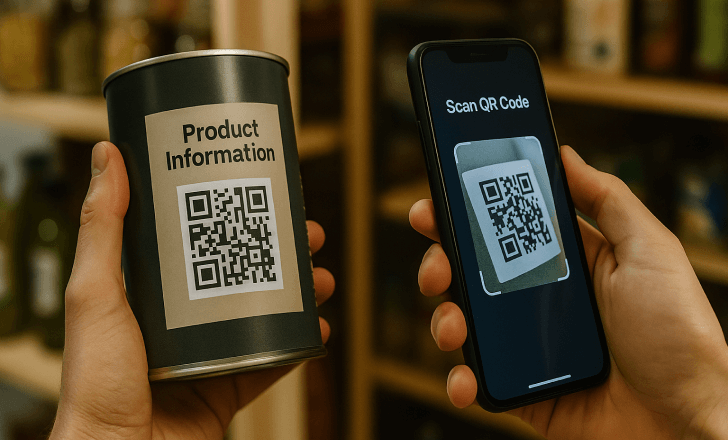
It’s exciting to begin selling on Amazon until the platform asks something that most new buyers have never considered. a barcode. It may seem small, but product labels like UPC, EAN, and GTIN codes form the base of Amazon’s whole catalog system. Listing a product is either impossible or highly restricted without one. Many first-time buyers think they can get around this stage or figure it out later. That assumption nearly always results in a frustrating beginning to what ought to be an easy procedure, lost time, and refused ads.
Amazon’s Catalogue Runs on Barcodes, Not Good Intentions
Barcodes are used by Amazon to ensure that each product sold on the marketplace has a unique, widely known identity. The system uses these numbers to handle goods across delivery sites, group similar items under the same title, and properly label things. Amazon asks a Product ID, which is nearly always a UPC or EAN code, when a seller tries to create a new product offering. The listing is rejected if that field is left blank or filled with a wrong number. The standards are significantly more strict for buyers who use Fulfillment by Amazon. A scannable barcode, either the original barcode for my product or a FNSKU sticker made by Amazon’s system, is needed for each item moved to an Amazon center.
The Exemption Route Is Not for Everyone
For some buyers, especially those with handmade goods, private label companies, or general items without numbers on their packages, Amazon does provide a GTIN exception. However, in order to be qualified for this exemption, you must send product pictures, show that the packaging is barcode-free, and wait for approval. Exemptions are completely banned in several places. Relying on permits places limits on buyers who plan to grow beyond Amazon or list on several markets, which become more difficult to fight as the firm expands.
The Smarter Move Is to Get a Proper Barcode From the Start
Buy UPC barcode for Amazon straight from a reliable seller is a far easier option than handling exemption procedures and running the risk of selling delays. This method is quite available and quick thanks to Quickbarcode.com. In only a few minutes, sellers can download a valid, scannable barcode by visiting the site, adding their product information, and picking the necessary barcode format. There is no agent, no difficult papers, and no weeks of waiting. Before being shipped to Amazon’s distribution centers, the barcode can be written on sticky stickers and attached to product packaging.
One Small Code Protects the Entire Business
There is more to a confirmed barcode than just meeting listing standards. Listing theft, in which fake goods are tied to questionable listings, is avoided for the seller. It ensures accurate inventory control throughout buildings. Additionally, it improves trust with customers who identify barcoded goods with decent, reputable companies. Barcodes made through appropriate methods are recognized on platforms around the world, including Amazon US, eBay, and Walmart, for sellers who plan to grow abroad.
Skip the Guesswork and Start Right
It’s an easy lesson. Delays, refused ads, and useless irritation result from trying to sell my goods on Amazon without a barcode. Before making the first entry, spend a few minutes on Quickbarcode.com to get a valid code. This will save hours of stress and place the business for smooth, scalable growth right away.